
Election and Democracy home page Elections Canada's home page

Utility menu

  • Search
  • Français
  • Home
  • Classroom
    • Learning Resources
      • Choosing our Mascot
      • Civic Action: Then and Now
      • Digital Skills for Democracy
      • Does Voting Matter?
      • Election Simulation Toolkit
      • Elections by the Numbers
      • Geography of Elections
      • Mapping Electoral Districts
      • Voting Rights through Time
      • Which Election?
    • Professional Learning
      • Teacher Support Videos
      • Virtual Workshops
      • Conferences and events
      • Northwestern Ontario Services
      • Markham, Ontario Services: Completed
      • Surrey, British Columbia Services: Completed
    • Curriculum Connections
    • Comparing Electoral Systems
    • Provincial/Territorial Resources
    • Optional Assessment Rubric
    • Blended Learning Tools
  • Canada's Elections
    • Canada's Election Process
    • About Elections Canada
    • Provincial and Territorial Elections
    • Youth Voting Trends
    • FAQ: Students Asked, We Answered
    • Canada's Parliament
    • Engaging Communities
  • About Us

You are here

You are here :
  1. Home

Search

  • Register of Future Electors

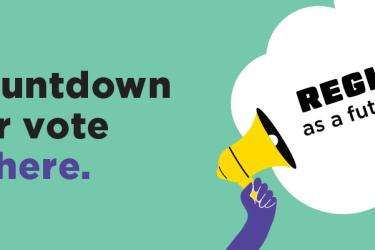
    The countdown to your vote starts here. Register as a future elector. Ages 14-17

    Your students can get ready to take part in Canada’s democracy before they turn 18. It’s easy and secure! Canadian citizens aged between 14 and 17 can join the Register of Future Electors by applying online. Upon turning 18, they will be added to the official list of voters, also called the “National Register of Electors.” They’ll get their voter information ...

  • Voting Around the World: Democracy

    Canada’s democracy is unique, but it also shares similarities with other democratic countries. Every democracy is a little different and is shaped by the shared histories and values of the country and the people who live there. Democratic principles have long existed in the land we now call Canada. Indigenous Peoples across North America have governed ...

  • Saying goodbye to our blended learning tools

    By the end of the 2025–2026 school year, our blended learning tools will no longer be available. These tools have served teachers well for the last five years as we all navigated unprecedented classroom environments that required students and teachers to be physically distant while also engaging in learning. Our blended learning tools were designed as a ...

  • Voting Around the World: Voting methods

    Voting is one of the most powerful tools in a democracy. Around the world, people vote in a variety of ways: publicly or privately, on paper or electronically. No matter what voting method is used, people need a way to vote that is secure and accessible. How voting works in Canada In Canada, voting is usually done in person using paper ballots at assigned ...

Pagination

  • First page « First
  • Previous page ‹‹
  • …
  • Page 91
  • Page 92
  • Page 93
  • Page 94
  • Page 95
  • Page 96
  • Page 97
  • Page 98
  • Current page 99

Elections Canada

Footer menu

  • About us
  • News
  • Contact us
  • Events
  • Educational resources

Follow us

  • Facebook
  • Twitter
  • Youtube

Additional footer menu

  • Terms & conditions
© 2026 Elections Canada